Restoring Hope and Dignity through Art: Dildar’s Journey from Silence to Leadership
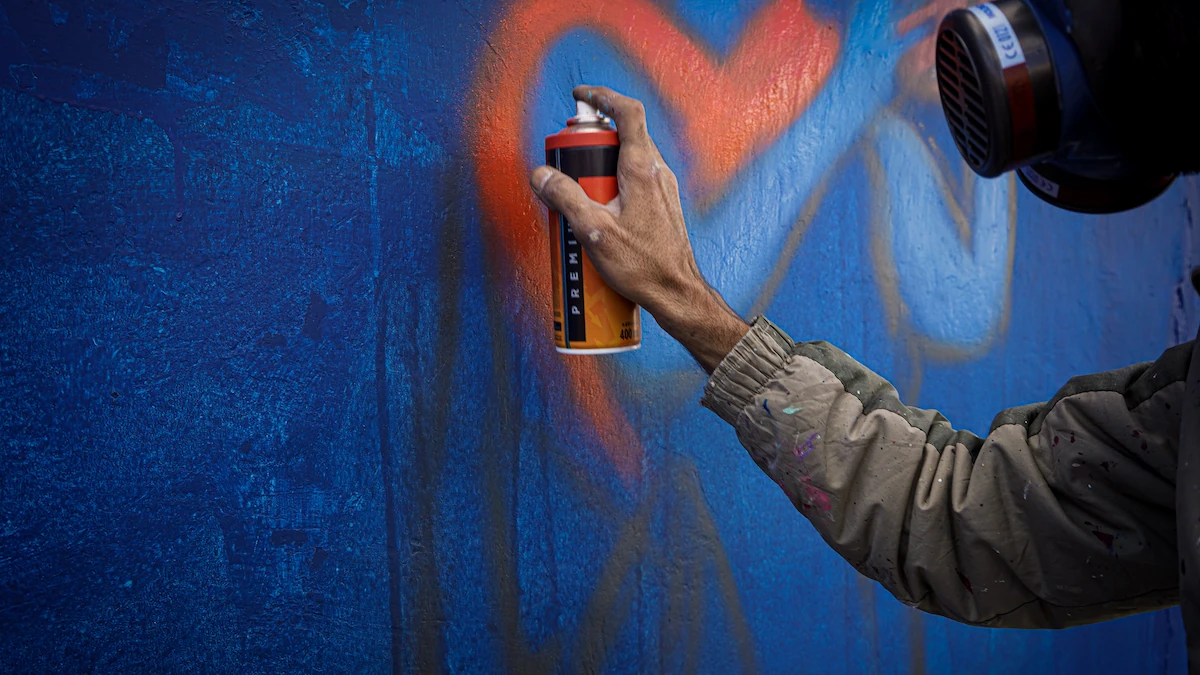
In the sprawling refugee camps of Bangladesh, countless Rohingya refugees struggle to rebuild their lives after fleeing unimaginable violence and persecution in Myanmar. Among them is Dildar, a young woman who carried the heavy weight of trauma. For months, she couldn’t speak – a condition known as trauma-induced mutism. But her journey towards healing began not with words, but a paintbrush and the power of hope.
The role of art in trauma recovery
Artolution and Medair recognise that trauma often leaves emotional scars that are difficult to heal through traditional interventions. In fragile environments where communities have been torn apart and survival eclipses expression, art offers a vital path to healing. Their partnership introduces collaborative art as a powerful psychosocial tool – unlocking emotions, creating safe spaces for expression, and rrestoring dignity.
For weeks, Dildar participated silently in Artolution’s art-making sessions, the first time ever painting in her life. Though she didn’t speak, her engagement with painting and creating murals allowed her to express what words couldn’t. Gradually, the process of creating art in a supportive environment began to work its way through the walls her mind had built up around her trauma. The art sessions were more than just creative outlets – they were a carefully designed safe and creative spaces of connection, where participants like Dildar felt seen and heard, even without words.
Breaking the silence: a moment of hope
One afternoon, something shifted. Surrounded by her peers and facilitators, Dildar spoke for the first time since fleeing Myanmar. “When I arrived in Bangladesh, I couldn’t speak, I was traumatised. I forgot what it felt like to be alive. When I worked and engaged with Artolution, I felt reborn. I spoke for the first time, and today, I continue to speak. There are thousands of people like me, and now I help them to speak, too. I want to help all the people, who don’t have a voice, to raise their voices. Being able to create art gives me hope again,” she said. Her words underscroe the profound impact of creative expression, not just as therapy, but as empowerment.
Empowerment through art: from participant to teacher
Today, Dildar is more than a participant – she’s become one of Artolution’s most talented and leading teaching artist trainers in Bangladesh. Her transformation from a silent refugee to a powerful advocate for healing through art illustrates the sustainable and empowering nature of this work. Through her leadership, she is helping supporting others who have experienced similar trauma, reinforcing the cycle of hope and resilience within her community.
The collaboration between Artolution and Medair underscores the power and importance of a comprehensive approach to humanitarian aid. By addressing both the physical and emotional needs of the community, the partnership ensures that healing is not just about survival, but about restoring joy, dignity, and a future where creativity thrives.
Restoring dignity, one brushstroke at a time
Dildar’s story is just one example of how the arts in MHPSS programs can transform lives. By integrating art into their humanitarian interventions, Artolution and Medair provide more than just short-term relief—they help individuals rediscover a sense of purpose, joy, and dignity that had been stripped away by violence, displacement and disasters.
As Dildar’s journey shows, healing through art is not just about individual transformation. It’s about creating a ripple effect, where empowered individuals like her inspire others to believe in their own capacity for healing. Together, Artolution and Medair are rebuilding lives and restoring hope, one brushstroke at a time.
Artolution and Medair: a growing partnership
In recent years, Medair’s Mental Health and Psychosocial Support (MHPSS) portfolio has expanded significantly. In September 2023, we established a new partnership with Artolution to integrate creative arts into our programs. This collaboration aims to enhance behaviour change and social protection efforts through art. The first project in Lebanon concluded in early 2024, and a global launch in November 2023 introduced the methodology to teams in South Sudan, Kenya, Jordan, Poland, and Ukraine.
This is the third in a series of articles exploring the integration of the arts in MHPSS and humanitarian interventions.
The Artolution method
Artolution addresses global crises by training local teaching artists to lead dynamic arts programs in crisis-affected communities, including collaborative murals, recycled musical sculptures, and performances. These programs provide youth with platforms for storytelling, relationship-building, and self-expression, thereby enhancing mental health, promoting social inclusion, supporting livelihoods, and raising awareness on critical issues. By focusing on community support, Artolution strengthens self-esteem, fosters inter-group cooperation, offers paid work and skills training, and empowers participants to advocate for public health, gender-based violence prevention, and human rights through public art.
Complementing Medair's approach to MHPSS
By integrating arts-based methods, Medair's Mental Health and Psychosocial Support (MHPSS) programs enhance their humanitarian approach by fostering emotional regulation, building resilience, and amplifying the inner strengths of children. This holistic blend enhances mental health outcomes and strengthens community connection.
A deep dive into the benefits of the arts on individual well-being and community
Promoting mental wellness and confidence
Engaging in the arts provides children with a creative outlet to express their emotions, thoughts, and identities. This process can significantly enhance their mental health by:
- Emotional regulation: Arts activities help children manage their emotions by providing a safe space to explore and express feelings. This can lead to improved emotional regulation and reduced symptoms of anxiety and depression.
- Self-esteem and confidence: Participating in arts projects allows children to achieve a sense of mastery and accomplishment, which boosts their self-esteem and confidence.
- Resilience and coping skills: Structured and trauma-informed arts activities build resilience by helping children develop coping mechanisms to deal with stress and adversity.
Fostering social bonds
The arts also play a crucial role in fostering social connections among children:
- Building empathy and prosocial behaviours: Arts participation encourages empathy and prosocial behaviours, such as helping others and working collaboratively. These activities often require teamwork and communication, which strengthen social bonds.
- Reducing loneliness: Group arts activities, such as choirs, drama clubs, and art classes, provide a sense of community and belonging, reducing feelings of loneliness and social isolation.
Increasing expressiveness and imagination
Arts engagement enhances children's ability to express themselves and think creatively:
- Creative expression: Through activities like drawing, painting, music, and drama, children can explore and communicate their inner worlds. This creative expression is crucial for their overall development and well-being.
- Improved communication skills: Arts activities often involve storytelling, role-playing, and performance, which can improve children's verbal and non-verbal communication skills.
- Encouraging imagination: Engaging in the arts nurtures children's creativity and imagination, helping them to think outside the box and develop innovative solutions to problems.
Unlocking inner strength and resilience
Amplifying inner strength One of the most profound impacts of the arts is their ability to amplify the strength that exists inside each and every one of us. By engaging in creative activities with specifically trained facilitators, children can:
- Discover inner strengths: Arts activities help children uncover and amplify their inner strengths, fostering a sense of empowerment and self-worth.
- Build resilience: The process of creating art can be therapeutic, helping children to build resilience and cope with challenges more effectively.
- Enhance self-expression: Through the arts, children learn to express their unique perspectives and emotions, which can lead to greater self-awareness and personal growth.
The broader humanitarian impact of the arts
The transformative power of the arts extends beyond individual benefits to have a significant humanitarian impact:
- Healing trauma: In humanitarian settings, such as refugee camps and disaster-affected areas, the arts can play a crucial role in helping children process trauma and rebuild their lives. Art activities provide a safe and supportive environment where children can express their experiences and emotions, are encouraged to envision a future, thus facilitating healing and recovery.
- Fostering community and connection: Arts programs in humanitarian contexts help create a sense of community and belonging among displaced and affected populations. By participating in group art projects, children and adults alike are invited to focus on what brings them together, helping them build social connections and support networks, which are essential for their well-being.
- Empowering voices: The arts empower individuals to share their stories and perspectives with a broader audience. This can raise awareness about humanitarian issues and foster empathy and understanding among people from different backgrounds. By amplifying the voices of those affected by crises, the arts can contribute to advocacy and positive change.
Conclusion
Art transforms more than minds – it transforms lives. Creative expression nurtures children’s development, strengthens community ties, and empowers voices long silenced. In places where words fail, art speaks, restoring dignity, healing trauma, and fostering lasting change.
This content was produced with resources gathered by Medair field and headquarters staff. The views expressed herein are those solely of Medair and should not be taken, in any way, to reflect the official opinion of any other organisation.
.webp)
.webp)