Medair Responds Rapidly to Support Communities Facing Deadly Ebola Outbreak in Eastern DR Congo
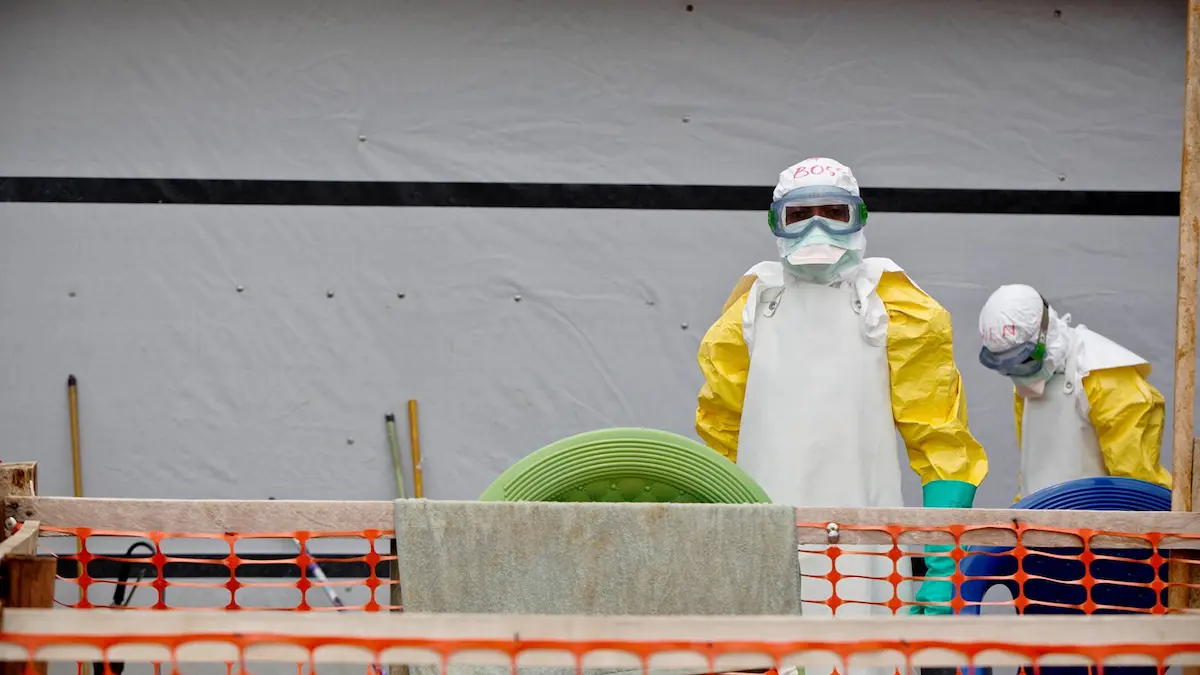
On 17th May, the World Health Organisation recognised the outbreak as a “Public Health Emergency of International Concern” - an exceptional measure that has only been declared nine times to date - highlighting the serious regional and international risk posed by the outbreak. During previous outbreaks of the Bundibugyo strain of Ebola virus, up to half of people infected died from the disease.
As of 18th May, 105 suspected deaths have been reported, with confirmed cases identified in neighbouring Kampala, Uganda. In Goma, DR Congo - a city of more than one million inhabitants located approximately 400 kilometres from where the outbreak began - confirmed cases have also been identified.
Medair has been supporting communities through humanitarian crises in eastern DR Congo since 1996 and mobilised its teams as soon as the most recent outbreak was declared to support health facilities, strengthen community engagement and help stop transmission of the disease.
Dr. Pierre-Olivier Ngadjole, Medair’s Senior Health Advisor in DR Congo explains: “Drawing on our experience responding to a previous Ebola outbreak in 2018, to COVID-19, and to Mpox, we are working quickly to save lives and prevent further spread of the disease in DRC and regionally. We are reaching an alarming stage of this crisis. But we will not give up. We are there to save lives."
Many families in the areas most affected by the outbreak have been displaced by conflict and are living in overcrowded informal settlements with a lack access to water, healthcare and hygiene facilities. In these conditions, diseases can spread rapidly. Containing transmission as quickly as possible is essential to protect vulnerable communities.
Medair’s response is focused on two urgent priorities: caring for patients and stopping the spread of the disease.
To support these efforts, Medair teams are currently focusing on:
- Community engagement to raise awareness and contain the outbreak, ensuring communities know how to protect themselves from Ebola
- Establishment of triage points, screening, isolation areas in the 46 health centres it already supports, to ensure swift, safe referral of patients to Ebola Treatment Centres (ETCs)
- Preparing to set up new Ebola Treatment Centres to treat patients
- Training and equipping local medical staff and community health workers
- Restoring water supply to health clinics
Effective community engagement will be essential for the success of response efforts.
Insecurity, misinformation, and fear can place health care workers in danger, prevent patients from accessing care, and acceleration disease transmission. Medair is therefore working closely with communities to build trust, raise awareness, and ensure people understand that Ebola is real, preventable, and that patients can receive care.
Medair urgently needs support to scale up lifesaving health services, strengthen outbreak containment measures, and help communities protect themselves from Ebola.
To donate to Medair’s emergency response
To arrange an interview with Dr. Pierre-Olivier Ngadjole in DR Congo, please contact:
Tamara Berger, Field Communications Advisor
Tel. +41 (0)78 716 51 40
E-mail : media@medair.org
About Medair
Medair is an international humanitarian organisation founded in 1989, specialising in emergency response and recovery. Based on Christian values, we respond to the most urgent crises, bringing life-saving aid to vulnerable communities affected by conflict, natural disasters or disease.
Medair specialises in health, nutrition and WASH (water, sanitation & hygiene) activities, and prioritises the hardest to reach communities. Currently working in over 10 countries worldwide, Medair works in partnership with local communities to save lives and restore dignity, while building capacity and resilience for future crises.
We go the extra mile to reach people impacted by emergencies and crises – regardless of race, creed or nationality – so they can live in dignity, free from human suffering and with hope for a better future.
We are guided by the humanitarian principles of impartiality, independence and neutrality.
.webp)
%20(1).webp)
.webp)